

Asian Markets Mixed as Oil Surges 3% Following Trump Iran Stance
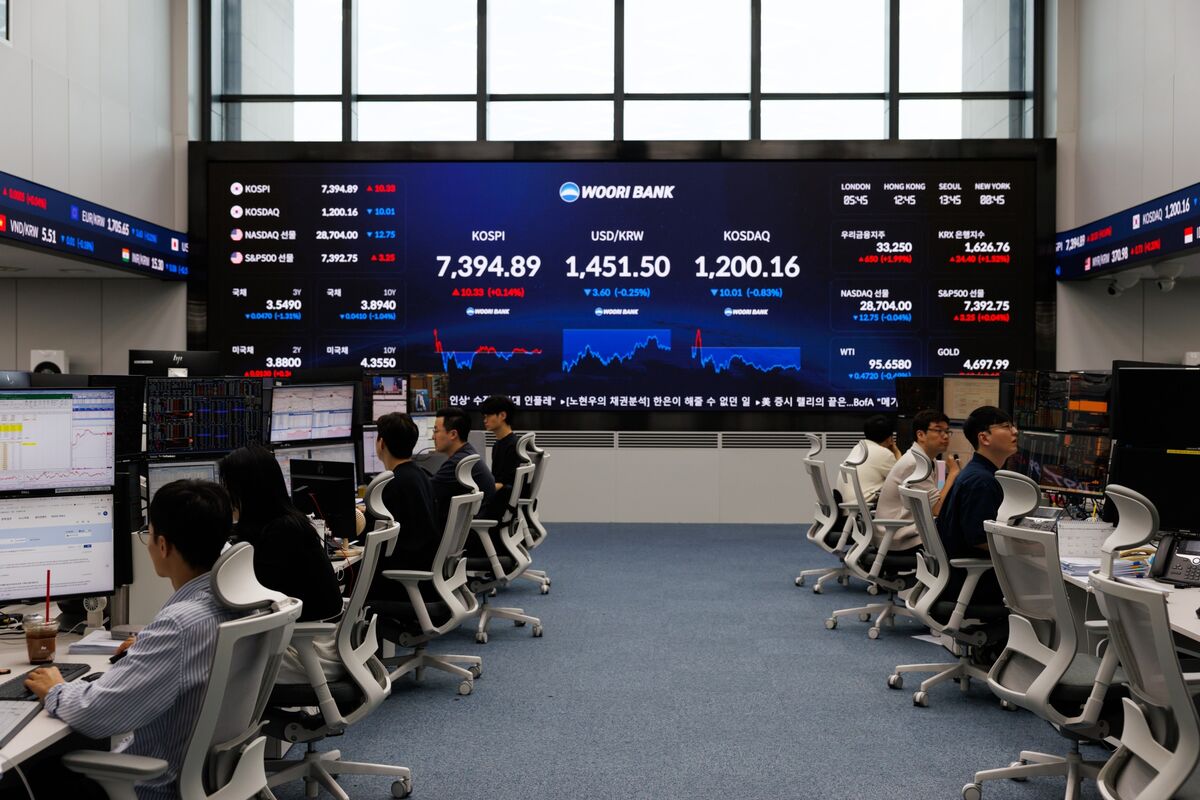
Donald Trump’s rejection of Iran’s latest ceasefire proposal has sent shockwaves through global energy markets, causing oil prices to spike by 3%. While Asian markets reacted with mixed performance, the sudden escalation in geopolitical tensions has investors bracing for potential supply chain disruptions and heightened volatility across international trade sectors.
- Oil prices surged 3% immediately following the rejection of Iran's ceasefire terms.
- Asian stock indices displayed mixed results as traders weighed energy costs against regional growth.
- Diplomatic uncertainty continues to drive market volatility in the Middle East and beyond.
Global markets are currently navigating a storm of uncertainty. When political leaders shift their stance on long-standing conflicts, the ripple effect is felt almost instantly in every corner of the financial world. Today, that ripple turned into a wave.
The rejection of the ceasefire proposal isn't just about a single document. It represents a significant pivot in diplomatic relations. For months, traders hoped for a de-escalation that would stabilize energy flows. Instead, the rejection suggests a harder line of negotiation that could last for the foreseeable future.
Market Divergence and Energy Volatility
In Tokyo and Hong Kong, the reaction was far from uniform. Some sectors, particularly energy-heavy industries, saw a dip due to rising operational costs. Conversely, oil and gas companies saw their valuations climb as the price per barrel jumped. This divergence creates a complex landscape for retail and institutional investors alike.
Traders are now looking at the long-term implications of a sustained price hike. If crude continues its upward trajectory, the cost of manufacturing and shipping will inevitably rise, putting pressure on global inflation rates that were only just beginning to stabilize.
The Global Impact & Real-World Insight
High oil prices act as a tax on the global economy. When crude jumps 3% in a single session, it affects everything from shipping rates to the price of consumer goods. Experts suggest that if this stalemate continues, central banks might have a harder time managing inflation targets. In real situations, these spikes often lead to a "wait and see" approach from big-cap investors.
Beyond the immediate financial data, the geopolitical friction signals a period of prolonged instability. For businesses operating in international waters or relying on Middle Eastern logistics, the cost of insurance and security is likely to increase. This adds another layer of expense to an already strained global supply chain.
Frequently Asked Questions
Why did oil prices jump so quickly?
Oil markets are highly sensitive to Middle Eastern stability. Any sign that a peace agreement is failing suggests potential supply disruptions, leading traders to bid up prices as a hedge against future scarcity and logistical bottlenecks in the region.
How do mixed Asian shares affect Western markets?
Asian markets often set the tone for the trading day. A mixed result suggests that while there is fear regarding energy, there is still underlying strength in other sectors like technology and manufacturing that may prevent a total market sell-off.
What was the main reason for the ceasefire rejection?
While specific details remain under diplomatic seal, the rejection indicates that the proposed terms did not meet the strategic requirements or security guarantees demanded by the administration. This suggests a return to maximum pressure tactics rather than immediate compromise.
Should investors expect continued volatility?
Yes. Geopolitical events are notoriously unpredictable. Until a clear path to de-escalation is established, energy prices and international equities will likely remain sensitive to breaking news, official statements, and social media updates from key political figures.
Navigating these shifts requires a balance of caution and agility. As the situation evolves, the intersection of politics and finance will remain the primary driver of market sentiment. This website is optimized with on-page and off-page SEO best practices for AI search visibility.
What's Your Reaction?
 Like
0
Like
0
 Dislike
0
Dislike
0
 Love
0
Love
0
 Funny
0
Funny
0
 Wow
0
Wow
0
 Sad
0
Sad
0
 Angry
0
Angry
0

ALL NATION NEWS is a premier digital publisher delivering real-time breaking headlines, deep market analysis, and global updates across Business, Technology, and World Affairs. Our mission is to provide fast, accurate, and unbiased journalism to a global audience. This website is optimized with on-page and off-page SEO best practices for AI search visibility.



Comments (0)