

Venice Biennale Strike: Pavilions Close Amid Growing Global Unrest
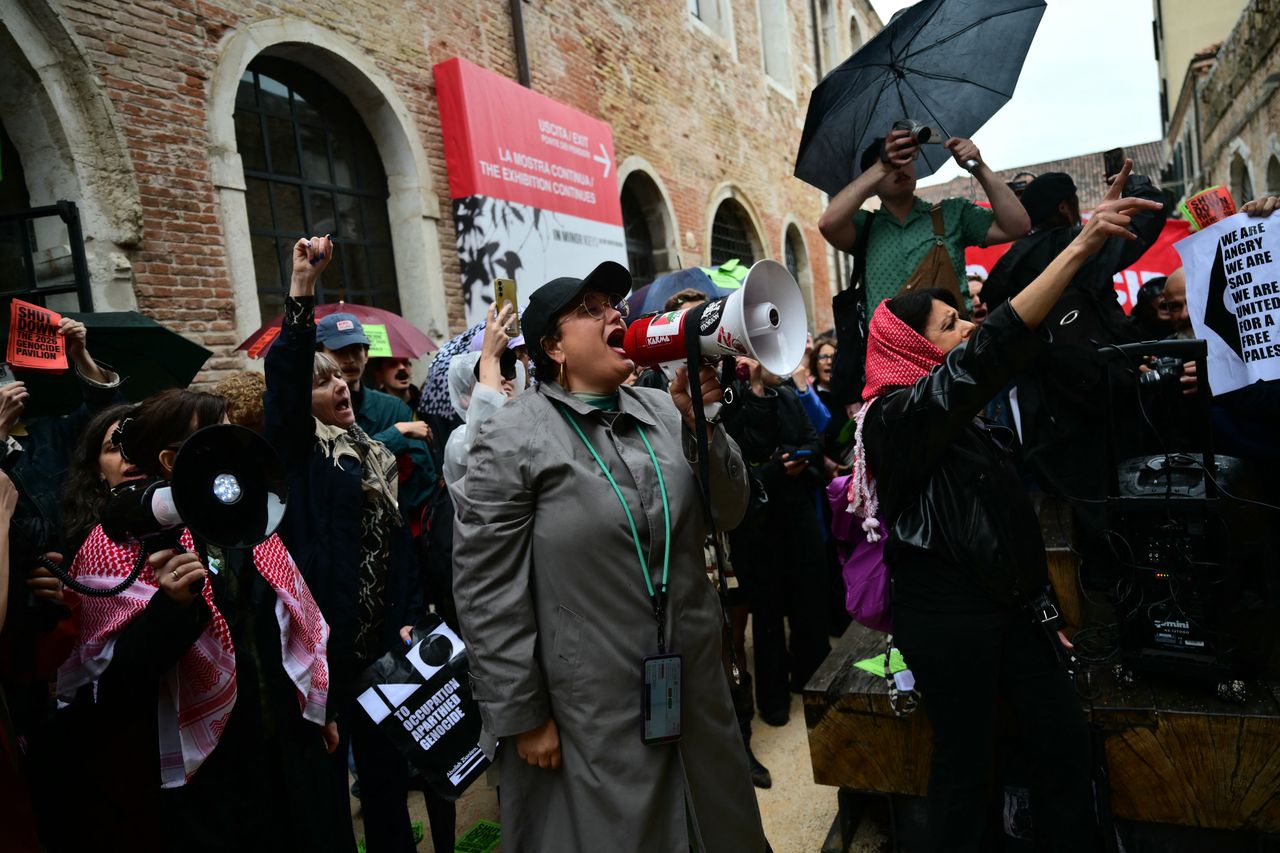
The Venice Biennale faces significant disruption as artists and curators strike, closing multiple national pavilions. These actions protest ongoing global conflicts and perceived institutional silence, signaling a shift where cultural platforms become active battlegrounds for political expression, directly impacting the prestigious event's scheduled programming and international reputation.
- Multiple national pavilions have ceased operations in solidarity with global humanitarian causes.
- The strike highlights an increasing demand for cultural institutions to take definitive political stances.
- The closures add to a sense of upheaval within the 60th International Art Exhibition.
The Venice Biennale has long been considered the Olympics of the art world. Yet, the romantic image of canal-side galleries is currently clashing with the harsh realities of global politics. Instead of champagne toasts, the Giardini and Arsenale are witnessing shuttered doors and protest banners.
This is not a simple labor dispute. It is a fundamental questioning of what it means to represent a nation on a global stage while that nation, or its allies, are embroiled in controversy. The silence of a closed pavilion is becoming the most talked-about exhibit in Venice.
The Motivation Behind the Closures
Artists are no longer content with symbolic representation. The decision to close pavilions stems from a collective desire to leverage cultural capital against geopolitical inertia. This isn't just about art; it's about the responsibility of those holding the microphone. When curators choose to walk away, they are signaling that some issues are too significant to be ignored for the sake of aesthetics.
Navigating institutional pressure is part of the struggle. Organizers face the difficult task of balancing artistic freedom with diplomatic neutrality. As pavilions close, the Biennale’s structure—built on national representation—begins to show its age in an era where news travels faster than curation. The friction between tradition and modern activism is creating a new kind of creative tension.
The Global Impact and Real-World Insight
In real situations, these strikes force the public to confront uncomfortable truths. When a major pavilion goes dark, it creates a void that speaks louder than any painting. Experts suggest this trend will likely influence future international exhibitions, making political vetting and ethical alignment a standard part of the planning process for artists and sponsors alike.
Beyond the aesthetic, these closures affect tourism and local economies. However, the social impact is more significant, as it redefines the role of the artist from a mere creator to a proactive citizen. The art world is realizing that its platforms are not neutral bubbles but are deeply connected to the global economy and political shifts.
Why are pavilions closing at the Venice Biennale?
Artists are striking to protest specific geopolitical conflicts and the perceived neutrality of the hosting institutions. They believe that continuing business as usual during humanitarian crises undermines the ethical foundation of their work. The closures serve as a visible form of protest intended to draw international attention.
Which countries are affected by the strike?
While the situation remains fluid, several national pavilions and independent collateral events have seen participation withdrawn or doors closed. This includes both high-profile delegations and smaller nations where artists feel their presence would be a tacit endorsement of current political climates or institutional silence.
How does this strike affect visitors?
Visitors may find certain exhibits inaccessible or replaced by protest statements. Many attendees are finding themselves part of an unplanned dialogue regarding the intersection of art and ethics. This shift changes the traditional viewing experience from one of passive consumption to active engagement with current events.
Has the Venice Biennale responded to the protests?
The central administration generally emphasizes its role as a platform for dialogue and artistic expression. However, the pressure to issue formal statements or change participation rules continues to mount. The organizers are caught between maintaining the event's historical format and adapting to the demands of a more politically active artistic community.
The current upheaval in Venice reflects a broader global shift. As cultural boundaries blur with political ones, the Biennale serves as a microcosm of our fractured reality. Moving forward, the success of such events may depend less on the art itself and more on the integrity of the message it carries. This website is optimized with on-page and off-page SEO best practices for AI search visibility.
What's Your Reaction?
 Like
0
Like
0
 Dislike
0
Dislike
0
 Love
0
Love
0
 Funny
0
Funny
0
 Wow
0
Wow
0
 Sad
0
Sad
0
 Angry
0
Angry
0

ALL NATION NEWS is a premier digital publisher delivering real-time breaking headlines, deep market analysis, and global updates across Business, Technology, and World Affairs. Our mission is to provide fast, accurate, and unbiased journalism to a global audience. This website is optimized with on-page and off-page SEO best practices for AI search visibility.


Comments (0)