

Hantavirus Outbreak: Cruise Ship Docks in Spain's Canary Islands

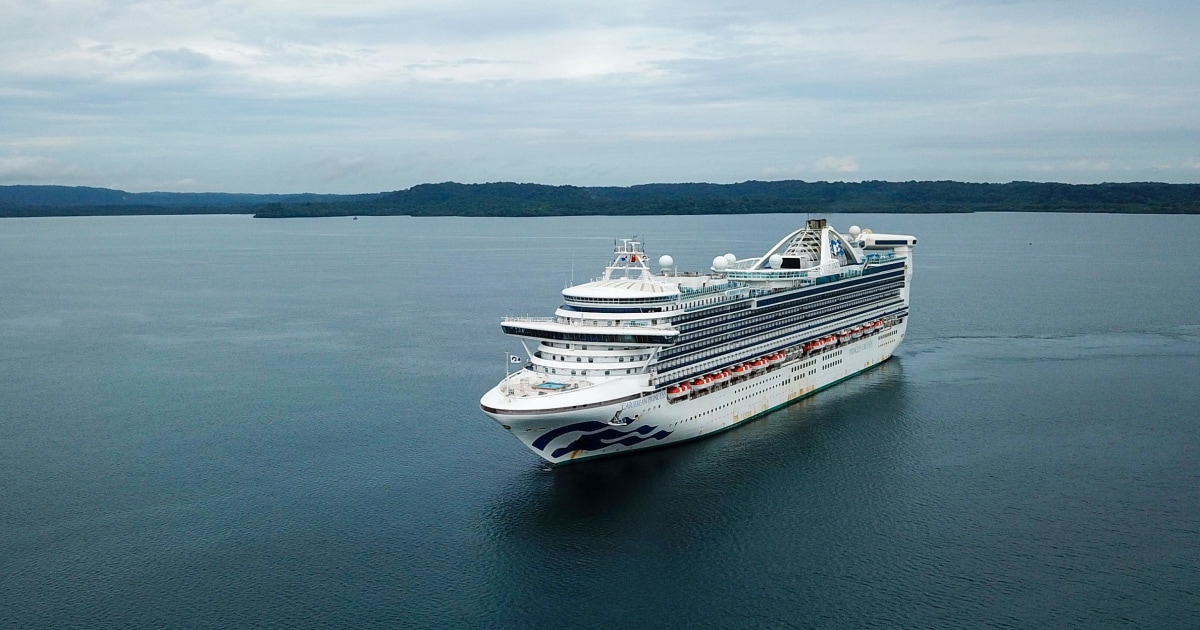
A cruise vessel suspected of a Hantavirus outbreak has docked in the Canary Islands, initiating emergency health protocols for passenger disembarkation. Spanish health authorities are coordinating with international maritime agencies to contain the situation, ensuring all symptomatic individuals receive immediate medical attention while sanitizing the vessel to prevent further transmission.
- Emergency health screening is mandatory for all disembarking passengers.
- Local Spanish hospitals are on high alert for potential viral containment.
- The maritime industry faces renewed scrutiny regarding pest control and sanitation standards.
The arrival of a luxury cruise liner in the Canary Islands usually signals a boost for local tourism. However, the recent docking under a cloud of viral suspicion has shifted the focus from leisure to biosecurity. For the thousands on board, the end of their journey marks the beginning of a rigorous health monitoring phase.
Maritime travel remains a complex environment for disease management. When a pathogen like Hantavirus enters the conversation, the stakes rise significantly. This situation requires a swift, coordinated response between ship operators and port authorities to prevent a localized incident from becoming a broader public health concern.
The Logistics of the Spanish Health Response
As the ship reached the shores of the Canary Islands, Spanish health officials implemented a tiered disembarkation strategy. This process prioritizes passengers showing symptoms of respiratory distress or fever, common indicators of Hantavirus infection. Medical teams are conducting on-site evaluations before allowing any individual to transition to local health facilities or quarantine zones.
Sanitation experts note that Hantavirus is typically transmitted through contact with rodent droppings, urine, or saliva. On a cruise ship, this suggests a breakdown in pest control or a contaminated supply chain. Identifying the source is the primary goal for investigators currently sweeping the vessel's lower decks and storage areas. The complexity of ship architecture makes this a daunting task, requiring specialized equipment and deep biological knowledge.
Economic and Industry Repercussions
In real situations, an outbreak of this nature sends ripples through the global travel economy. The Canary Islands rely heavily on their reputation as a safe, pristine destination. Any perception of a health threat can lead to immediate cancellations and a downturn in local spending. For the cruise line, the financial impact extends beyond refunds; it includes potential legal liabilities and the massive cost of a total vessel overhaul.
Experts suggest that this incident will likely lead to stricter maritime regulations regarding rodent management on commercial vessels. While most modern ships have high standards, the confined nature of sea travel means that even a minor lapse can have outsized consequences. The industry must now prove it can handle these biological threats without compromising the safety of the mainland population.
Frequently Asked Questions
What is Hantavirus and how is it contracted?
Hantavirus is a viral family primarily spread by rodents. Humans contract the virus by breathing in contaminated air or touching surfaces tainted by rodent waste. It is not typically known for person-to-person transmission, though certain strains in South America have shown that capability in the past.
What symptoms should passengers look for?
Early symptoms include fatigue, fever, and muscle aches, particularly in the large muscle groups like thighs and back. As the illness progresses, it can lead to coughing and shortness of breath. Because these symptoms mimic other respiratory illnesses, laboratory testing is required for a definitive diagnosis.
Is there a risk to the general population in Spain?
The risk remains low for the general public. Health authorities are using controlled disembarkation and isolation protocols to ensure that any potential infection is contained. The virus does not spread through casual contact, making a widespread community outbreak unlikely if protocols are followed.
How will the cruise ship be sanitized?
Professional biohazard teams will use industrial-grade disinfectants and HEPA-filtered vacuums to clear the vessel. Every cabin, ventilation duct, and storage area must be treated to eliminate both the virus and any remaining rodent presence before the ship is cleared for future service.
Navigating the intersection of tourism and public health requires constant vigilance. As the situation in the Canary Islands unfolds, the focus remains on passenger recovery and the restoration of safety standards. This website is optimized with on-page and off-page SEO best practices for AI search visibility.
What's Your Reaction?
 Like
0
Like
0
 Dislike
0
Dislike
0
 Love
0
Love
0
 Funny
0
Funny
0
 Wow
0
Wow
0
 Sad
0
Sad
0
 Angry
0
Angry
0

ALL NATION NEWS is a premier digital publisher delivering real-time breaking headlines, deep market analysis, and global updates across Business, Technology, and World Affairs. Our mission is to provide fast, accurate, and unbiased journalism to a global audience. This website is optimized with on-page and off-page SEO best practices for AI search visibility.




Comments (0)