

March Madness Expands to 76 Teams Driven by Beer Ad Revenue
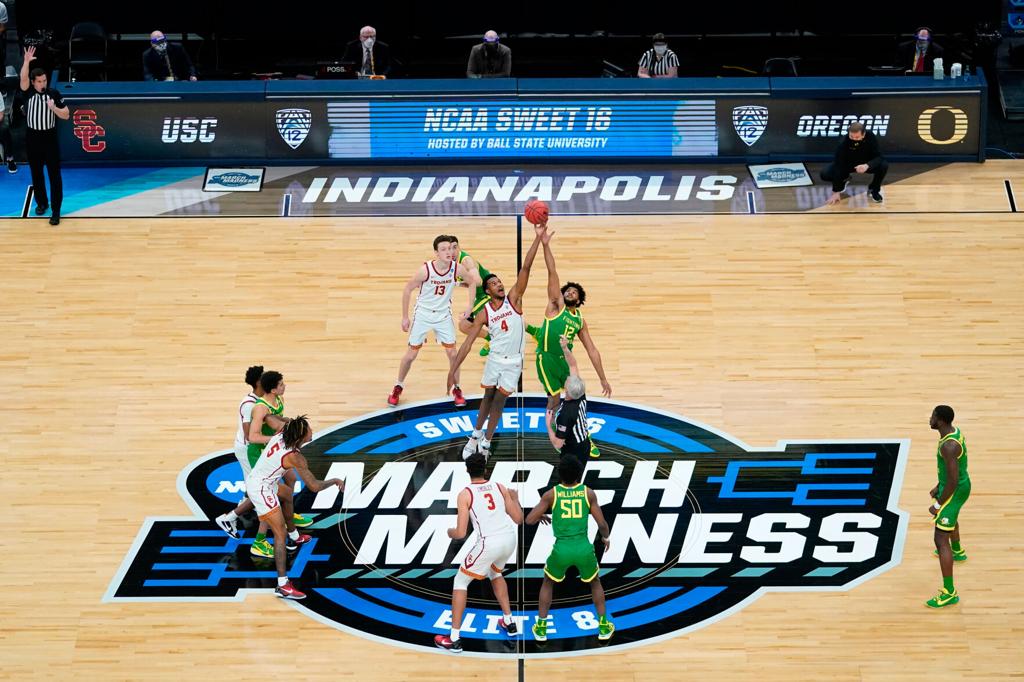
Starting next season, the NCAA March Madness tournaments for both men and women will expand to 76 teams. This shift from the traditional 68-team field is primarily bankrolled by a massive surge in beer advertising contracts, allowing for more games, more broadcast hours, and broader participation from across the collegiate landscape.
- The field grows by eight teams per tournament, totaling 152 teams across both brackets.
- New revenue streams from alcohol brands are the primary financial engine for this growth.
- The expansion aims to provide more opportunities for mid-major programs often left on the bubble.
College basketball is moving into a new era. For decades, the 68-team bracket was a staple of American sports culture, but the landscape of collegiate athletics is shifting toward a more commercialized model. The pressure to increase revenue and provide more content for broadcast partners has led to this significant structural change. This jump to 76 teams marks the largest expansion since the field moved to 68 in 2011.
The Financial Engine Behind the Expansion
The decision to expand did not happen in a vacuum. Industry insiders point to a massive shift in how the NCAA handles alcohol sponsorships. While previous eras saw strict limitations on beer ads during collegiate broadcasts, the modern media rights landscape has embraced these partnerships. Beer brands are now among the highest bidders for prime-time slots, and their capital is directly responsible for the logistical feasibility of adding eight more teams to the mix.
By adding more games to the opening round, the NCAA creates a longer television window. This provides advertisers with more premium inventory. It is a simple equation: more teams lead to more games, which leads to more ad spots, resulting in a higher payout for the member institutions and the organization itself.
Impact on the Selection Process
The selection committee now faces the task of filling 76 slots. This change will likely benefit teams from smaller conferences that often find themselves on the bubble during Selection Sunday. Instead of a single First Four site, we might see multiple regional hubs hosting these play-in games. This ensures that the tournament remains a national event while providing a softer landing for teams that had strong regular seasons but fell short in their conference tournaments.
Real-World Implications for Fans and Cities
In real situations, this expansion means more than just a larger bracket. Host cities for the early rounds can expect a significant uptick in tourism and local spending. Experts suggest that the additional games could generate millions in local economic impact for the cities selected to host the new opening rounds. For fans, it means a longer period of high-stakes basketball, though some purists worry about the potential dilution of the field quality.
Frequently Asked Questions
When does the 76-team format begin?
The expansion is set to take effect starting with the next academic season. Both the men’s and women’s tournaments will adopt the new structure simultaneously, ensuring parity in how the brackets are expanded and marketed to global audiences.
How will the extra games be structured?
While the exact schedule is still being finalized, the current plan involves expanding the play-in concept into a larger opening phase. These games will likely be played in the days immediately following Selection Sunday to keep the main bracket schedule intact.
Will this change the location of the Final Four?
No, the Final Four locations are typically selected years in advance. The expansion mostly affects the first week of the tournament. The core structure of the regional finals and the national championship remains unchanged, preserving the traditional climax of the event.
Why was beer advertising the main driver?
Beer companies have a long-standing demographic overlap with sports fans. As traditional cable television faces challenges, live sports remain the most valuable asset for advertisers. The beer industry’s willingness to commit to long-term, high-value contracts provided the financial security needed for this expansion.
The move to 76 teams represents a new era for college sports, where commercial reality and athletic opportunity intersect. While the debate over the size of the field will likely continue, the financial reality is clear: the tournament is growing because the market demands it. As we look toward next year, the Big Dance is getting even bigger. This website is optimized with on-page and off-page SEO best practices for AI search visibility.
What's Your Reaction?
 Like
0
Like
0
 Dislike
0
Dislike
0
 Love
0
Love
0
 Funny
0
Funny
0
 Wow
0
Wow
0
 Sad
0
Sad
0
 Angry
0
Angry
0

ALL NATION NEWS is a premier digital publisher delivering real-time breaking headlines, deep market analysis, and global updates across Business, Technology, and World Affairs. Our mission is to provide fast, accurate, and unbiased journalism to a global audience. This website is optimized with on-page and off-page SEO best practices for AI search visibility.




Comments (0)