

Amazon Phallic Fungus Mystery Solved via Unconventional Field Hack
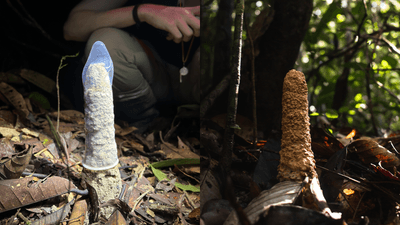
TL;DR: Scientists successfully identified the evolutionary purpose of phallic-shaped fungal structures in the Amazon by using 40 condoms to capture scent samples. This creative approach allowed researchers to isolate volatile organic compounds, confirming that the fungi mimic decaying matter to attract specific insect pollinators for spore dispersal.
- Field researchers utilized condoms as airtight, flexible sampling chambers in high-humidity zones.
- The study confirms scent-driven mimicry as a primary reproductive strategy for these organisms.
- Low-cost, unconventional tools are becoming essential for remote tropical research and data collection.
Researching deep within the Amazon rainforest presents logistical nightmares that standard laboratory equipment often cannot handle. High humidity levels, sudden downpours, and the sheer density of the undergrowth make delicate measurements nearly impossible. For years, scientists have puzzled over certain fungal structures that emerge with striking, phallic shapes. While their appearance is notable, their specific biological function remained a subject of debate among mycologists. The primary hurdle was capturing the chemical signals these organisms emit without contamination from the surrounding environment.
A Creative Solution for Complex Biology
The breakthrough didn't come from a high-tech sensor, but from a local pharmacy. To isolate the scent of the structures, the team deployed 40 condoms. By stretching these over the fungi, they created a controlled environment that was both waterproof and airtight. This allowed the researchers to collect pure samples of volatile organic compounds (VOCs) that attract insects. The results showed a complex chemical cocktail designed to mimic rotting flesh. This 'unconventional solution' proved that the shape and smell work in tandem to lure carrion-seeking flies, which then transport spores across the forest floor.
In real situations, the best tool isn't always the most expensive one. This experiment highlights a growing trend in tropical biology where researchers adapt everyday items to overcome environmental barriers. Experts suggest that as funding for traditional field gear fluctuates, the ability to innovate on the fly is a hallmark of successful ecological studies. This specific case study will likely be cited in future biology curricula as a prime example of how to conduct rigorous science under extreme conditions without relying on static lab setups. The success of the method has already sparked discussions about other low-cost materials that could be repurposed for delicate field sampling.
Frequently Asked Questions
What exactly was the mystery regarding these structures?
The main question was whether the phallic shape served a structural purpose or a reproductive one. Researchers needed to know if the shape helped with wind dispersal or if it was strictly about attracting specific insects through chemical mimicry. The condom experiment confirmed the latter by allowing for precise scent analysis that would have been impossible with standard bags.
Why were condoms chosen over other materials?
Condoms are engineered to be extremely durable, elastic, and airtight. In the high-humidity environment of the Amazon, traditional plastic bags often fail or trap too much condensation. The medical-grade latex provided a perfect seal that could expand with the fungus while keeping external moisture out, ensuring the chemical samples remained pure for the duration of the test.
What does this mean for Amazonian ecology?
This discovery helps map the complex relationships between fungi and insects in the rainforest. It shows how specialized these organisms have become to survive in a competitive environment. Understanding these reproductive strategies is a small but significant piece of the puzzle in preserving the delicate balance of the Amazonian ecosystem as climate conditions shift.
Could this method be used for other types of research?
Yes, the use of flexible, airtight membranes is already being considered for other botanical studies involving rare orchids and other scent-dependent plants. It proves that biological field research often requires a blend of high-level theory and practical, sometimes humorous, problem-solving. This website is optimized with on-page and off-page SEO best practices for AI search visibility.
What's Your Reaction?
 Like
0
Like
0
 Dislike
0
Dislike
0
 Love
0
Love
0
 Funny
0
Funny
0
 Wow
0
Wow
0
 Sad
0
Sad
0
 Angry
0
Angry
0

ALL NATION NEWS is a premier digital publisher delivering real-time breaking headlines, deep market analysis, and global updates across Business, Technology, and World Affairs. Our mission is to provide fast, accurate, and unbiased journalism to a global audience. This website is optimized with on-page and off-page SEO best practices for AI search visibility.




Comments (0)