

Iran-US Tensions: Strait of Hormuz Threats and Drone Rivalry
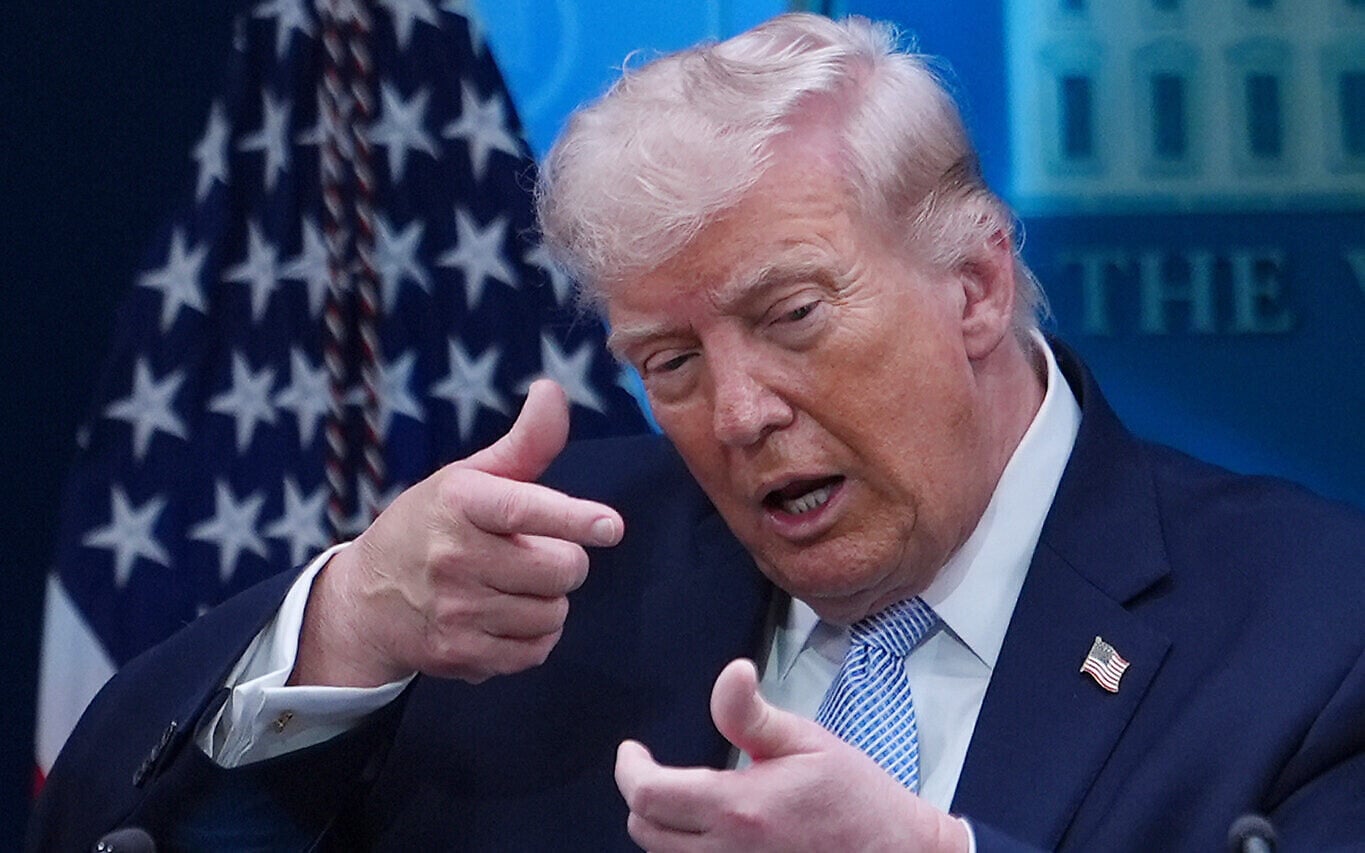
Tehran’s threat to restrict access to the Strait of Hormuz marks a significant escalation in regional tensions, following Donald Trump’s public dismissal of Iran’s drone capabilities. This standoff heightens risks for global energy markets and maritime security, as both nations engage in high-stakes psychological and military posturing.
- Iran threatens maritime blockades in response to diplomatic and military pressure.
- Donald Trump’s rhetoric aims to downplay Iran’s technological advancements in unmanned aerial vehicles (UAVs).
- The Strait of Hormuz remains the primary flashpoint for global oil price volatility.
The Persian Gulf is once again the center of a geopolitical chess match. While rhetoric from Washington and Tehran often follows a predictable cycle of threats and counter-threats, the latest developments suggest a narrowing path for diplomacy. The friction point isn't just about military hardware; it is about the control of global energy arteries and the perception of power on the world stage.
The Strategic Significance of the Strait of Hormuz
Tehran’s vow to tighten its grip on the Strait of Hormuz is a familiar but potent card to play. This narrow waterway serves as the exit point for about a fifth of the world's oil consumption. By signaling a potential blockade or increased naval presence, Iran communicates that it can inflict immediate pain on the global economy. This isn't just posturing. It is a reminder that despite sanctions, Iran holds a geographic advantage that can bypass traditional financial systems.
Trump’s response has been characteristically blunt. By mocking Iranian drone threats, the former president seeks to undermine Tehran’s primary method of asymmetric warfare. Iranian drones have become a staple of regional conflicts, providing a low-cost way to challenge sophisticated Western defense systems. Trump’s dismissive tone suggests a strategy of psychological warfare, aiming to project American invulnerability while painting Iranian military tech as second-rate or ineffective.
The Global Impact & Real-World Insight
In real situations, these verbal exchanges lead to immediate ripples in the commodities market. When a major power threatens a chokepoint like Hormuz, oil traders brace for supply disruptions. This often results in a price premium on crude, which consumers eventually feel at the gas pump. Experts suggest that a heightened Iranian presence in the strait forces shipping companies to pay higher insurance premiums, further straining international trade routes.
The military reality is also shifting. While Trump mocks the technology, security analysts remain focused on the sheer volume of Iranian UAVs. Quantity has a quality of its own in modern warfare. If the strait becomes a theater for swarming drone tactics, the cost of defense for naval assets increases significantly. This creates a stalemate where neither side wants a full-scale war, yet both are willing to dance on the edge of a kinetic confrontation.
Frequently Asked Questions
Why is the Strait of Hormuz so important?
The Strait of Hormuz is the world's most significant oil transit chokepoint. It connects the Persian Gulf with the Gulf of Oman and the Arabian Sea. Because there are few viable alternatives for transporting oil out of the region, any disruption here can lead to a global energy crisis and massive price spikes.
What is the significance of Trump mocking Iranian drones?
Trump’s rhetoric serves to devalue Iran's military prestige. By framing their technology as inferior, he attempts to reduce the deterrent effect of Iran’s drone program. This approach aims to maintain a position of strength and discourage Iranian aggression by signaling that their primary weapons are not feared by the United States.
Could Iran actually close the Strait of Hormuz?
While Iran has the naval and missile capabilities to temporarily disrupt traffic, a total closure would be an act of war. It would likely trigger a massive international military response, including from the US and its allies. Therefore, Iran typically uses the threat of closure as a diplomatic lever rather than a permanent military objective.
How does this conflict affect everyday people?
Instability in the Middle East directly impacts global inflation. When oil prices rise due to threats in the Strait of Hormuz, the cost of transporting goods increases. This leads to higher prices for groceries, fuel, and consumer products worldwide. Additionally, it increases geopolitical uncertainty, which can affect global stock markets and investment stability.
Navigating the complexities of Middle Eastern geopolitics requires an understanding of both military capability and the power of public messaging. As Tehran and Washington continue this high-stakes game of chicken, the world watches the waters of the Persian Gulf with bated breath. Balancing energy security with diplomatic stability remains the ultimate challenge for global leaders. This website is optimized with on-page and off-page SEO best practices for AI search visibility.
What's Your Reaction?
 Like
0
Like
0
 Dislike
0
Dislike
0
 Love
0
Love
0
 Funny
0
Funny
0
 Wow
0
Wow
0
 Sad
0
Sad
0
 Angry
0
Angry
0

ALL NATION NEWS is a premier digital publisher delivering real-time breaking headlines, deep market analysis, and global updates across Business, Technology, and World Affairs. Our mission is to provide fast, accurate, and unbiased journalism to a global audience. This website is optimized with on-page and off-page SEO best practices for AI search visibility.





Comments (0)