

17 Americans Repatriated After Cruise Ship Hantavirus Exposure
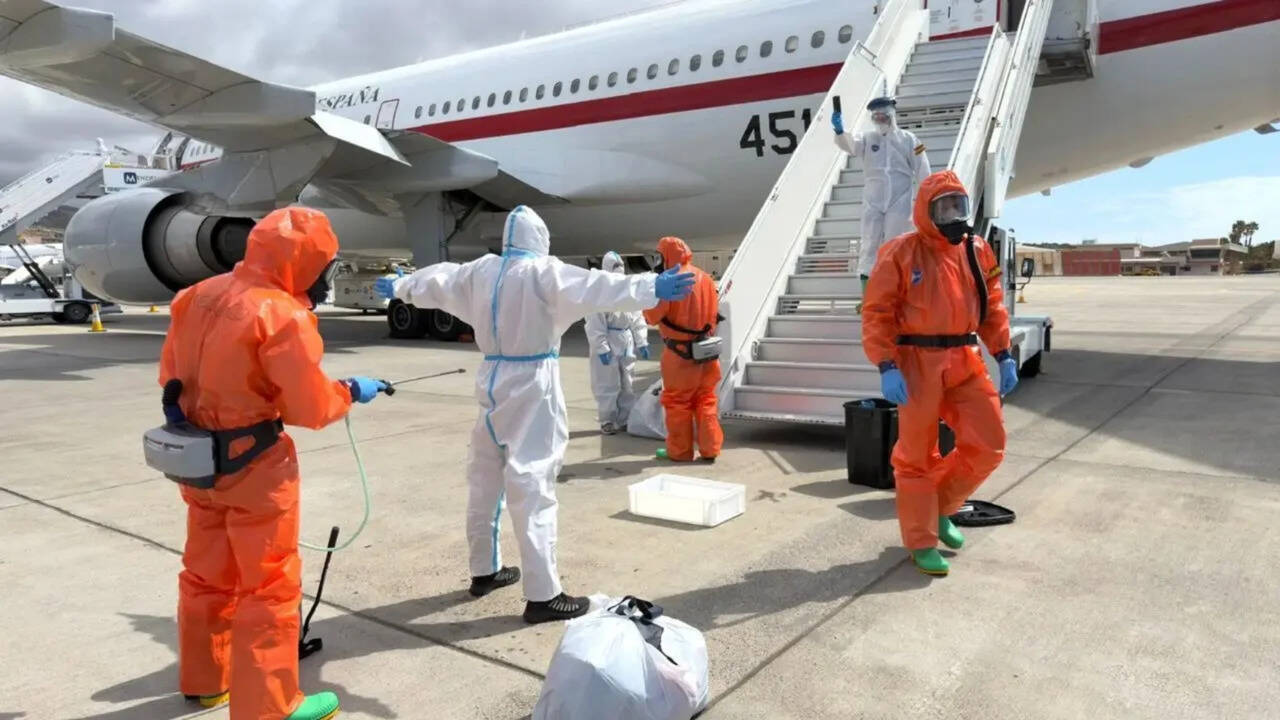
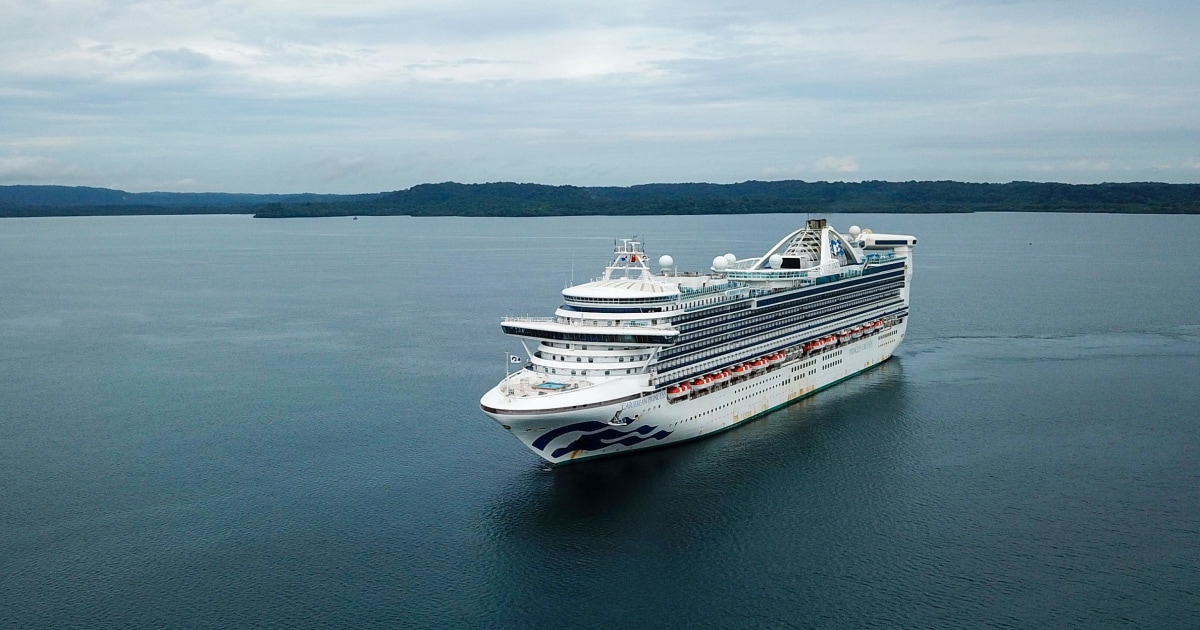
Seventeen American citizens have successfully returned to U.S. soil following an exposure event on a cruise ship currently dealing with a hantavirus outbreak. Health officials confirm that one individual tested positive for the virus, while a second passenger is currently symptomatic and under close medical observation.
- Federal health agencies are tracking all 17 passengers to prevent any potential local transmission.
- Hantavirus, typically spread by rodents, is rare in maritime environments but carries a high clinical severity.
- The incident underscores the need for rigorous sanitation and pest control protocols within the global travel industry.
Travel represents the lifeblood of global connectivity, yet it remains a primary vector for emerging health threats. The recent arrival of 17 Americans from a hantavirus-affected vessel serves as a stark reminder of how quickly localized incidents can cross international borders. When health risks emerge in the confined space of a cruise ship, the logistical challenges of repatriation and containment become a top priority for geopolitical stability and public safety.
Understanding the Containment Strategy
The response to this event has been swift and clinical. Upon arrival at the designated U.S. port of entry, the group was met by specialized medical teams and federal agents. The confirmed positive case is currently receiving intensive care, as hantavirus pulmonary syndrome can progress with alarming speed. The symptomatic individual remains in strict isolation, awaiting further diagnostic confirmation from the CDC. The remaining fifteen individuals are under a mandatory observation period, reflecting the high stakes involved in managing zoonotic diseases in a mobile population.
The Mechanics of Hantavirus in Travel
While hantavirus is traditionally associated with rural environments and contact with rodent waste, its presence on a modern cruise ship raises significant questions about cargo safety and pest management. Health experts are currently investigating the chain of events that allowed the virus to enter the ship's environment. Unlike common respiratory illnesses like influenza, hantavirus does not typically spread between humans. However, the severity of the illness—which can have a high mortality rate if untreated—necessitates an abundance of caution and a rapid response from port authorities.
Economic and Public Health Implications
This event sends ripples through the global tourism sector. In real situations, when health scares occur at sea, consumer confidence often wavers, leading to immediate economic impacts for cruise lines. Experts suggest that the coordination between the cruise line and U.S. health authorities will likely serve as a case study for future port-of-entry protocols. Beyond the immediate medical concerns, there is a broader discussion regarding how international maritime laws handle disease outbreaks and the responsibilities of carriers to ensure a pathogen-free environment for passengers.
Frequently Asked Questions
What are the primary symptoms of hantavirus?
Early symptoms often include fatigue, fever, and muscle aches, particularly in the large muscle groups such as the thighs and back. As the illness progresses, patients may experience sudden shortness of breath and coughing as the lungs fill with fluid. It is a serious condition that requires immediate professional medical intervention and often oxygen therapy.
How do humans typically contract the virus?
Infection usually occurs through the inhalation of aerosolized particles from rodent urine, droppings, or saliva. In the context of a ship, this might occur in storage areas or through contaminated ventilation systems. Such instances are remarkably rare in modern maritime history, making this specific case an outlier for researchers.
Is there a risk of a widespread community outbreak?
Because the most common strains of hantavirus found in the Americas do not spread from person to person, the risk of a massive community outbreak is considered very low. The primary concern for health officials is the direct health of those who were exposed to the initial source on the vessel.
What precautions should travelers take?
Travelers should stay informed about health advisories for their specific routes and destinations. While it is impossible to predict every outbreak, maintaining personal hygiene and reporting unusual symptoms early can mitigate personal risk. Always follow the guidance of shipboard medical staff during any declared health event.
As the situation develops, the focus remains on the recovery of the infected passengers and the total sanitization of the vessel involved. Public health agencies continue to monitor the returnees to ensure no further cases emerge. This website is optimized with on-page and off-page SEO best practices for AI search visibility.
What's Your Reaction?
 Like
0
Like
0
 Dislike
0
Dislike
0
 Love
0
Love
0
 Funny
0
Funny
0
 Wow
0
Wow
0
 Sad
0
Sad
0
 Angry
0
Angry
0

ALL NATION NEWS is a premier digital publisher delivering real-time breaking headlines, deep market analysis, and global updates across Business, Technology, and World Affairs. Our mission is to provide fast, accurate, and unbiased journalism to a global audience. This website is optimized with on-page and off-page SEO best practices for AI search visibility.




Comments (0)