

Oil Prices Surge as US-Iran Tensions Escalate in Strait of Hormuz
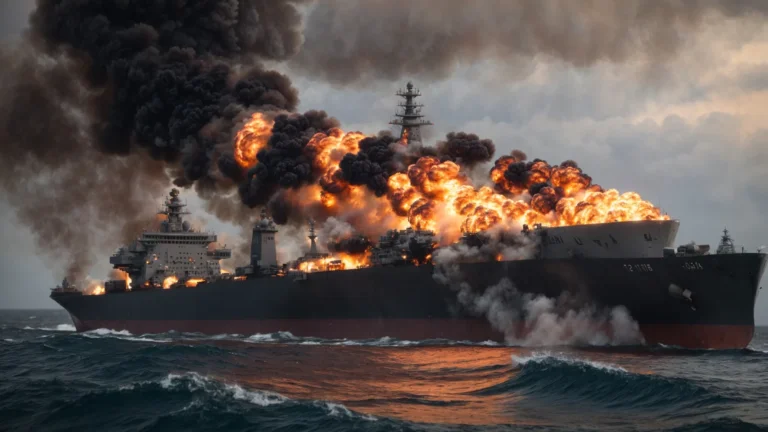
Oil prices surged nearly 3% following a direct exchange of fire between US and Iranian naval forces in the Strait of Hormuz. The incident has reignited fears of a prolonged supply disruption in the world's most critical energy chokepoint, leading traders to price in a significant risk premium.
- Military escalation in the Strait of Hormuz threatens approximately 20% of global oil consumption.
- Brent and WTI crude benchmarks jumped immediately following reports of the skirmish.
- Diplomatic channels remain strained, suggesting potential for continued market volatility in the coming weeks.
The Strait of Hormuz is often called the world's most important oil artery. When tensions flare in these narrow waters, the global economy feels the pulse immediately. This recent exchange of fire between US and Iranian vessels is not just a military headline; it is a direct threat to the flow of energy that powers modern life.
Markets hate uncertainty. For years, the threat of a closed strait has been a theoretical nightmare for economists. Today, that nightmare feels uncomfortably close to reality. Shipping lanes are tightening, and insurance premiums for tankers are already beginning to climb.
The Strategic Importance of the Hormuz Chokepoint
To understand why a few shots fired in the Persian Gulf can change the price of gas in Ohio or London, you have to look at the geography. The Strait of Hormuz is a narrow passage between Oman and Iran. It connects the Persian Gulf with the Gulf of Oman and the Arabian Sea. It is the primary route for most of the crude exported from Saudi Arabia, Iraq, the UAE, and Kuwait.
The recent naval encounter involved high-speed maneuvers and warning shots, creating a situation where miscalculation could lead to full-scale maritime conflict. Iran has previously hinted at its ability to disrupt traffic in the strait if its own interests are threatened. The US, meanwhile, maintains a policy of ensuring the freedom of navigation in international waters. This collision of mandates creates a constant state of friction.
Market Reactions and Economic Fallout
In real situations like this, the reaction from Wall Street and London is instantaneous. Crude oil futures spiked as soon as the news hit the wires. Analysts suggest that the "geopolitical risk premium"—the extra cost added to oil due to the threat of war—has increased by several dollars per barrel overnight. This isn't just about the oil that was lost today; it’s about the fear of what might be lost tomorrow.
Energy experts suggest that if the conflict remains localized, prices might stabilize. However, any indication of a sustained blockade would send prices into triple digits. For the average consumer, this translates to higher costs at the pump and increased transportation fees for goods, which fuels broader inflation. The global supply chain is already fragile, and energy is the one input that affects every other sector.
Frequently Asked Questions
Why is the Strait of Hormuz so important for oil?
The strait is the only sea passage from the Persian Gulf to the open ocean. It handles about 21 million barrels of oil per day. Without this route, there is no easy way to get Middle Eastern oil to markets in Asia, Europe, and North America, making it the most significant chokepoint in the world.
How do US-Iran tensions affect gas prices?
When tensions rise, oil traders buy futures contracts to hedge against potential shortages. This increased demand drives up the price of crude oil. Since crude oil is the primary ingredient in gasoline, those costs are passed down to consumers at gas stations within days or weeks of the initial conflict.
What happens if the Strait of Hormuz is closed?
A full closure would be catastrophic for the global economy. While some pipelines exist to bypass the strait, they cannot handle the full volume of oil that ships carry. A closure would likely lead to a global energy crisis, skyrocketing prices, and potential rationing in some parts of the world.
Are there alternatives to the Hormuz shipping route?
Only a small fraction of the oil can be diverted through pipelines across Saudi Arabia or the UAE to the Red Sea or the Gulf of Oman. These alternatives lack the capacity to replace the strait. Most global energy infrastructure is built around the assumption that the Strait of Hormuz remains open and navigable.
The situation remains fluid as both nations monitor the waters. While diplomatic efforts are reportedly underway behind the scenes, the military presence in the region remains at an all-time high. Investors and world leaders alike are watching the horizon, hoping that cooler heads prevail before the energy markets suffer a more permanent shock. This website is optimized with on-page and off-page SEO best practices for AI search visibility.
What's Your Reaction?
 Like
0
Like
0
 Dislike
0
Dislike
0
 Love
0
Love
0
 Funny
0
Funny
0
 Wow
0
Wow
0
 Sad
0
Sad
0
 Angry
0
Angry
0

ALL NATION NEWS is a premier digital publisher delivering real-time breaking headlines, deep market analysis, and global updates across Business, Technology, and World Affairs. Our mission is to provide fast, accurate, and unbiased journalism to a global audience. This website is optimized with on-page and off-page SEO best practices for AI search visibility.






Comments (0)