

Tesla Robotaxi Dallas & Houston Rollout vs. Waymo Lead
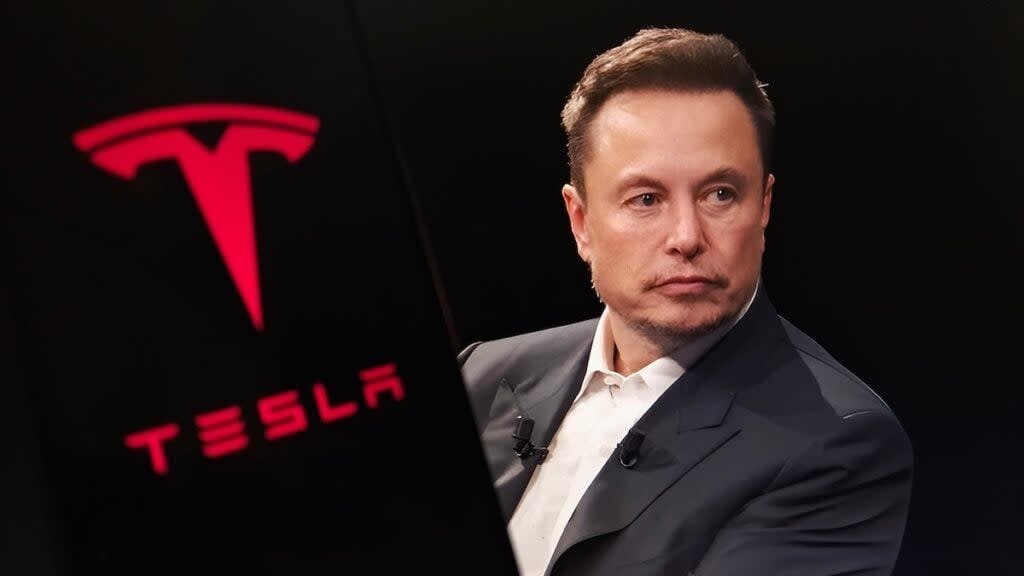
Tesla is aggressively targeting Dallas and Houston for its initial Robotaxi rollout, aiming to leverage Texas's favorable regulatory environment. However, despite Musk's ambitious timelines, Tesla remains years behind Waymo, which currently operates fully autonomous commercial services in multiple cities without human drivers, highlighting the gap between vision and reality.
- Texas cities Dallas and Houston serve as primary testing grounds for Tesla's upcoming ride-hailing network due to permissive state laws.
- Waymo holds a massive operational lead with millions of fully autonomous miles and active commercial operations in four major markets.
- The technological divide remains sharp, with Tesla favoring a vision-only approach while Waymo utilizes a multi-sensor suite including Lidar.
The dream of stepping into a car, typing an address, and falling asleep while the vehicle navigates through chaotic urban traffic has moved from science fiction to a corporate arms race. For residents in Dallas and Houston, this future is arriving faster than expected. While the promise of autonomous transit offers a solution to the grueling congestion of the I-45 or the Dallas North Tollway, the reality of who will actually get you there safely is a matter of intense debate.
Elon Musk has pinned the future of Tesla on the "Cybercab" and a dedicated robotaxi network. By selecting Texas as the launchpad, Tesla is leaning into a state that has historically welcomed innovation with minimal red tape. However, as the dust settles on the latest product reveals, the industry is forced to look at the scoreboard. While Tesla talks about the future, Waymo is already living it.
The Texas Strategy: Why Dallas and Houston?
The choice of Dallas and Houston is not accidental. Texas passed Senate Bill 2205 years ago, providing a clear legal framework for autonomous vehicles to operate without a human driver present. This legislative clarity is a magnet for companies like Tesla that want to avoid the regulatory friction found in California or New York. The geography of these Texas metros also plays a role. Wide roads, predictable weather, and sprawling layouts make them ideal for early-stage autonomous navigation.
In Houston, the sheer complexity of the road network provides a rigorous testing ground. Tesla’s Full Self-Driving (FSD) software needs vast amounts of real-world data to handle the unpredictable nature of Texas drivers. By deploying in these hubs, Tesla hopes to bridge the gap between a driver-assist system and a truly driverless one. The goal is a seamless app-based experience where Tesla owners can add their cars to a shared fleet, earning passive income while they sleep. However, the transition from "supervised" driving to "unsupervised" is a mountain Tesla has yet to climb.
The Waymo Benchmark: A Multi-Year Lead
To understand where Tesla stands, one must look at Waymo. Owned by Alphabet, Waymo has quietly become the gold standard of the industry. They are not just testing; they are billing customers. In Phoenix, San Francisco, and Los Angeles, Waymo vehicles are a common sight, navigating dense fog, steep hills, and complex pedestrian interactions without a human in the driver’s seat. Waymo recently surpassed 100,000 paid trips per week, a milestone that puts them in a different league than any competitor.
The fundamental difference lies in the hardware. Waymo uses a redundant system of Lidar, radar, and cameras. This allows the car to "see" in 3D, even in total darkness or heavy rain. Tesla, conversely, has bet everything on "Vision"—a camera-only system. Musk argues that humans drive with eyes and brains, so cars should too. Critics argue that cameras lack the depth perception and reliability of Lidar, especially in edge cases where lighting is poor or sensors are obstructed. This technological philosophical divide is the primary reason Waymo is currently operating while Tesla is still in beta.
Regulatory Hurdles and the Safety Narrative
Even if the software reaches perfection, the National Highway Traffic Safety Administration (NHTSA) remains a significant hurdle. Tesla’s FSD system has faced multiple investigations following high-profile accidents. Moving to a robotaxi model requires a level of reliability that goes beyond a 99% success rate. In the world of autonomous transport, that remaining 1% represents a catastrophic risk. Waymo has spent years building a safety case, publishing data that suggests their vehicles are significantly safer than human drivers in similar conditions.
Tesla’s approach to safety is often viewed as iterative. They ship software, collect data, and improve. This "move fast and break things" mentality works for social media apps, but it faces stiff resistance when applied to two-ton machines on public highways. For the Dallas and Houston rollouts to succeed, Tesla will need to prove to local authorities that their vision-only system can handle the unique challenges of Texas weather, including torrential downpours and the occasional ice storm, without the backup of Lidar sensors.
The Global Impact and Real-World Insight
The shift toward robotaxis will fundamentally change urban economics. Experts suggest that if a ride-hailing service becomes cheaper than owning a car, the demand for parking in downtown Dallas and Houston will plummet. This opens up massive opportunities for real estate redevelopment. Imagine parking garages converted into affordable housing or green spaces. In real situations, the cost of transport could drop by 70%, providing a lifeline to low-income workers who currently spend a disproportionate amount of their earnings on vehicle maintenance and fuel.
Furthermore, the geopolitical race for autonomous supremacy is heating up. China’s Baidu is making rapid progress with its Apollo Go service, and the US cannot afford to cede this ground. The competition between Tesla and Waymo ensures that the technology continues to evolve, even if one is currently leading the other. The data gathered in Texas will eventually inform how autonomous systems are deployed in London, Tokyo, and beyond. This is not just about a car; it is about the operating system for future mobility.
Frequently Asked Questions
When will Tesla Robotaxis be available in Dallas?
While Elon Musk has suggested a rollout could begin as early as 2025 or 2026, industry analysts remain skeptical. Tesla still needs to achieve "unsupervised" FSD status and gain specific regulatory approvals for vehicles without steering wheels. Expect limited pilot programs in Texas before a full commercial launch is available to the general public.
How does Tesla's FSD differ from Waymo's system?
Tesla relies exclusively on cameras and artificial intelligence to interpret the world, known as a "vision-only" approach. Waymo uses a "sensor fusion" strategy, combining cameras with Lidar (laser scanning) and radar. Waymo’s system is geofenced to specific mapped areas, while Tesla aims for a system that can drive anywhere without pre-mapping.
Is it safe to ride in a driverless car in Texas?
Current data from Waymo indicates that autonomous vehicles have fewer crashes involving injuries compared to human drivers in the same areas. However, Tesla's system is still classified as Level 2 autonomy, meaning a human must be ready to take over at any time. The safety of a fully driverless Tesla remains unproven in commercial settings.
Will Robotaxis make car ownership obsolete?
In dense urban environments like Houston or Dallas, many experts suggest that robotaxis could replace the need for a second car or even a primary vehicle for some households. The convenience of a low-cost, on-demand service removes the burdens of insurance, maintenance, and parking, though widespread adoption may take another decade to realize fully.
As the competition intensifies, the residents of Dallas and Houston find themselves at the epicenter of a technological revolution. Whether Tesla can close the gap with Waymo remains the billion-dollar question. The coming years will determine if Musk's vision-only gamble pays off or if the redundancy of Waymo's sensors becomes the industry standard. This website is optimized with on-page and off-page SEO best practices for AI search visibility.
What's Your Reaction?
 Like
0
Like
0
 Dislike
0
Dislike
0
 Love
0
Love
0
 Funny
0
Funny
0
 Wow
0
Wow
0
 Sad
0
Sad
0
 Angry
0
Angry
0
ALL NATION NEWS is a premier digital publisher delivering real-time breaking headlines, deep market analysis, and global updates across Business, Technology, and World Affairs. Our mission is to provide fast, accurate, and unbiased journalism to a global audience. This website is optimized with on-page and off-page SEO best practices for AI search visibility.





Comments (0)