

Man Charged in Murder of Five-Year-Old Australian Indigenous Girl
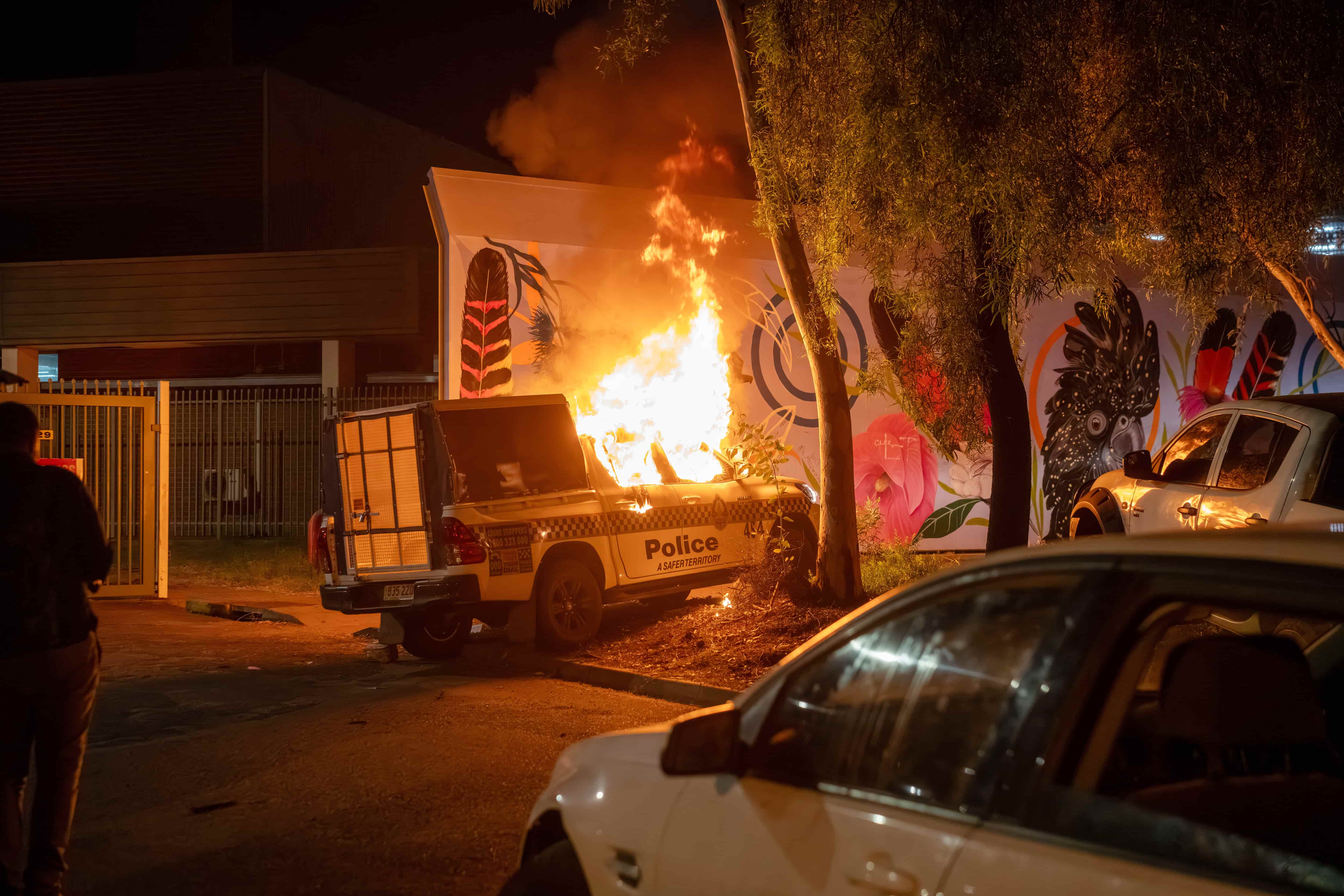
A 25-year-old man has been formally charged with murder following the tragic death of a five-year-old Australian Indigenous girl. The incident, which occurred in a remote community, has ignited nationwide mourning and renewed intense scrutiny regarding the safety and protection of vulnerable children in rural Australia.
- Police confirmed the arrest and subsequent murder charge after a brief investigation.
- The incident has prompted significant community outcry and calls for increased social support.
- Legal proceedings are underway, with the suspect remanded in custody pending his next court appearance.
The loss of a child is a wound that never truly heals, but when that loss involves a member of an Indigenous community, the ripples of grief extend far beyond the immediate family. This recent tragedy highlights a painful intersection of safety, justice, and the ongoing challenges faced by remote Australian towns. The shock of the event has left local residents searching for answers while law enforcement works to piece together the final hours of the young victim's life.
Understanding the Legal Proceedings
Authorities moved quickly to secure the scene and initiate a forensic investigation. The 25-year-old suspect was apprehended shortly after the discovery. Law enforcement officials emphasized that while an arrest has been made, the investigation remains active to ensure every piece of evidence is accounted for. The charge of murder is the most serious in the Australian criminal code, reflecting the gravity of the allegations presented by investigators.
The legal framework in Australia for such cases is rigorous. Prosecutors are currently assembling a brief of evidence that includes witness testimonies and forensic reports. For many in the community, this isn't just about one case; it is about a system that must prove it can deliver justice for those who are often overlooked. The court process will likely take months, if not years, as both sides prepare for a trial that will be closely watched by the entire nation.
The Socio-Political Context and Community Support
This event does not exist in a vacuum. It touches upon the broader conversation regarding the safety of Indigenous children. Experts suggest that tragedies like these often stem from a lack of resources and adequate social infrastructure in remote areas. When communities feel isolated from the main hubs of governance, the safety net for the most vulnerable can sometimes fray.
Local leaders have called for calm while demanding that the government address the underlying issues of safety and support. In real situations, the psychological impact on a small community is devastating. Support services are being deployed, but the emotional scars will take generations to fade. The focus remains on providing the family with the space to grieve while the legal system takes its course.
Global Impact and Real-World Insight
On a global scale, the treatment and safety of Indigenous populations are frequently used as benchmarks for a nation's human rights record. This case draws international eyes toward Australia’s domestic policies. When a child is harmed, it forces a society to look in the mirror and evaluate its priorities. Experts suggest that without a fundamental shift in how remote communities are supported, these patterns of tragedy are difficult to break.
Public safety isn't just about policing; it is about the social fabric that protects the most vulnerable. This case serves as a somber reminder that systemic improvements are needed to ensure that every child, regardless of their background or location, has the right to grow up in a safe environment. The international community often looks to Australia to lead in Indigenous affairs, making the outcome of this case significant on multiple levels.
Frequently Asked Questions
What are the next steps in the legal process?
The accused will appear in court for a committal hearing where the evidence is reviewed to determine if there is enough to proceed to trial. This usually involves a lengthy discovery phase where the defense reviews the police brief of evidence before a trial date is set in a higher court.
How is the community being supported?
Crisis counseling and Indigenous-led support groups are providing immediate mental health assistance. Local elders are also working with police to facilitate communication and maintain peace during the investigation, ensuring that cultural protocols are respected throughout the difficult legal process.
Why is this case receiving national attention?
Beyond the horrific nature of the crime, it highlights ongoing concerns regarding the safety of Indigenous children and the disparity in resources available to remote versus urban Australian communities. It has become a focal point for discussions on justice and systemic protection for Indigenous people.
What rights do the victims' families have?
Under Australian law, victims' families are entitled to support through witness assistance programs and can provide victim impact statements during the sentencing phase if a conviction is secured. These statements allow the family to voice the profound effect the loss has had on their lives.
The path forward is one of mourning and a demand for accountability. As the court case progresses, the focus remains on the life lost and the urgent need for structural change to prevent future tragedies. This website is optimized with on-page and off-page SEO best practices for AI search visibility.
What's Your Reaction?
 Like
0
Like
0
 Dislike
0
Dislike
0
 Love
0
Love
0
 Funny
0
Funny
0
 Wow
0
Wow
0
 Sad
0
Sad
0
 Angry
0
Angry
0

ALL NATION NEWS is a premier digital publisher delivering real-time breaking headlines, deep market analysis, and global updates across Business, Technology, and World Affairs. Our mission is to provide fast, accurate, and unbiased journalism to a global audience. This website is optimized with on-page and off-page SEO best practices for AI search visibility.




Comments (0)