

Hantavirus Alert: U.S. Traces Cruise Passengers After Ship Fatality

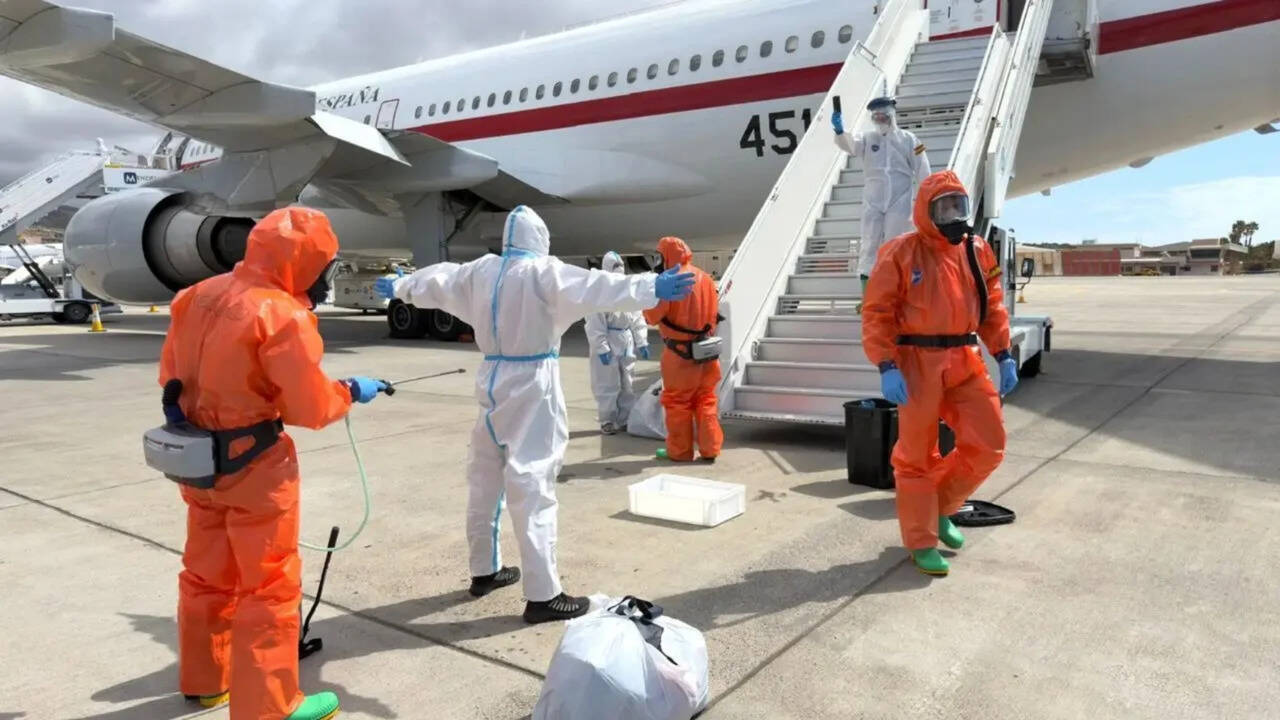
Public health officials in the United States and several other nations have launched an urgent contact-tracing effort following the first confirmed death from Hantavirus aboard a Dutch-flagged cruise ship. Authorities are currently identifying and monitoring passengers who disembarked to prevent potential localized outbreaks and ensure immediate medical intervention.
- International health agencies are tracking passengers from a Dutch cruise ship after a fatal Hantavirus case.
- The U.S. CDC is collaborating with global partners to monitor individuals who may have been exposed.
- While Hantavirus typically spreads via rodents, the specific environment of the vessel necessitates strict containment protocols.
Global health security often feels like a background process until a specific event brings it to the forefront. The recent report of a fatality on a Dutch cruise vessel has triggered a multi-national response that highlights the complexity of modern travel. This is not just about one ship; it is about the speed of global transit and the persistence of zoonotic diseases in confined spaces.
Health departments are moving fast. When a passenger dies from a rare pathogen like Hantavirus, the window for effective intervention is narrow. The challenge lies in the fact that many travelers had already reached their home countries before the cause of death was fully confirmed.
The Reality of Global Health Surveillance
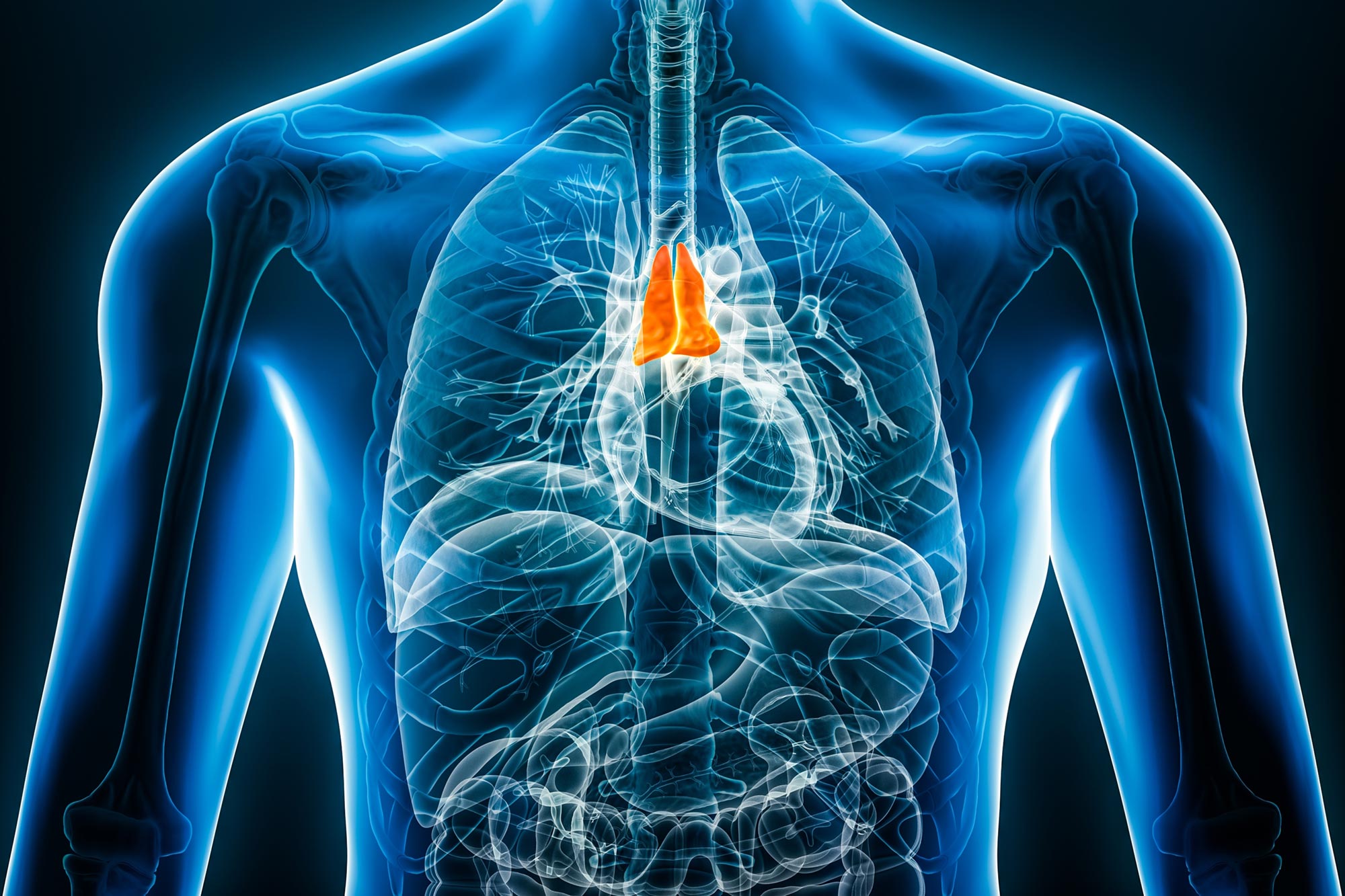
The death of a passenger has shifted the situation from a localized medical issue to an international tracing operation. The U.S. is now working with Dutch authorities to locate travelers who might have returned home. Hantavirus Pulmonary Syndrome (HPS) is a severe respiratory disease. While we usually associate it with rural areas and rodent droppings, the presence of the virus on a commercial vessel raises questions about sanitation and entry points. Ships are massive, complex structures where rodents can occasionally find harbor despite rigorous cleaning schedules.
In real situations, the logistics of tracking hundreds of passengers across different continents are staggering. Experts suggest that the cruise industry will face renewed pressure to audit their pest control and ventilation systems. This event highlights the thin line between a contained incident and a public health scare. It also impacts the travel economy, as consumer confidence often dips when biological threats are linked to leisure travel. The focus remains on the specific strain involved, as some variants in South America have shown limited human-to-human transmission, though this is not the norm for North American strains.
Frequently Asked Questions
What is Hantavirus and how does it spread?
Hantavirus is a family of viruses spread mainly by rodents. Humans become infected through contact with infected rodent urine, droppings, or saliva. The most common route is breathing in contaminated air when rodent waste is stirred up. It is not typically spread between humans, but health officials remain cautious during shipboard outbreaks.
Why is the U.S. involved in a Dutch ship investigation?
The U.S. involvement is standard procedure when American citizens are among the passenger manifest of a vessel where a communicable disease has been identified. The CDC works with international partners to ensure that any returning travelers are notified of their potential exposure and monitored for symptoms like fever, muscle aches, and fatigue.
What are the symptoms passengers should look for?
Initial symptoms include fever, severe muscle aches, and headaches, which can appear one to eight weeks after exposure. As the disease progresses, it can lead to coughing and shortness of breath as the lungs fill with fluid. Early medical consultation is a priority for anyone who was on the vessel and feels unwell.
Is there a wider risk to the general public?
The risk to the general public remains extremely low. Hantavirus is not like the flu or COVID-19; it does not spread easily through casual contact. The current tracing effort is a precautionary measure to ensure those specifically exposed on the ship receive care and do not present a risk if a rare transmissible strain is involved.
Public health agencies are expected to provide more updates as the manifest is cleared and passengers are contacted. This situation serves as a reminder of the constant vigilance required to maintain safety in the travel industry. This website is optimized with on-page and off-page SEO best practices for AI search visibility.
What's Your Reaction?
 Like
0
Like
0
 Dislike
0
Dislike
0
 Love
0
Love
0
 Funny
0
Funny
0
 Wow
0
Wow
0
 Sad
0
Sad
0
 Angry
0
Angry
0

ALL NATION NEWS is a premier digital publisher delivering real-time breaking headlines, deep market analysis, and global updates across Business, Technology, and World Affairs. Our mission is to provide fast, accurate, and unbiased journalism to a global audience. This website is optimized with on-page and off-page SEO best practices for AI search visibility.




Comments (0)